Australia Visitor Visa 600: The Three Clocks Behind 12 Months in 18
Quinn Moran · Published
A subclass 600 Visitor visa is limited by three separate clocks. The stay period on the grant letter, advertised as 3, 6 or 12 months, runs from each entry. Condition 8558 caps total time in Australia at 12 months in any 18-month period, counted across a rolling window. Clause 600.215 blocks a grant that would authorise more than 12 consecutive months in Australia across visitor, Working Holiday, Work and Holiday and bridging visas, unless exceptional circumstances exist.
On this page
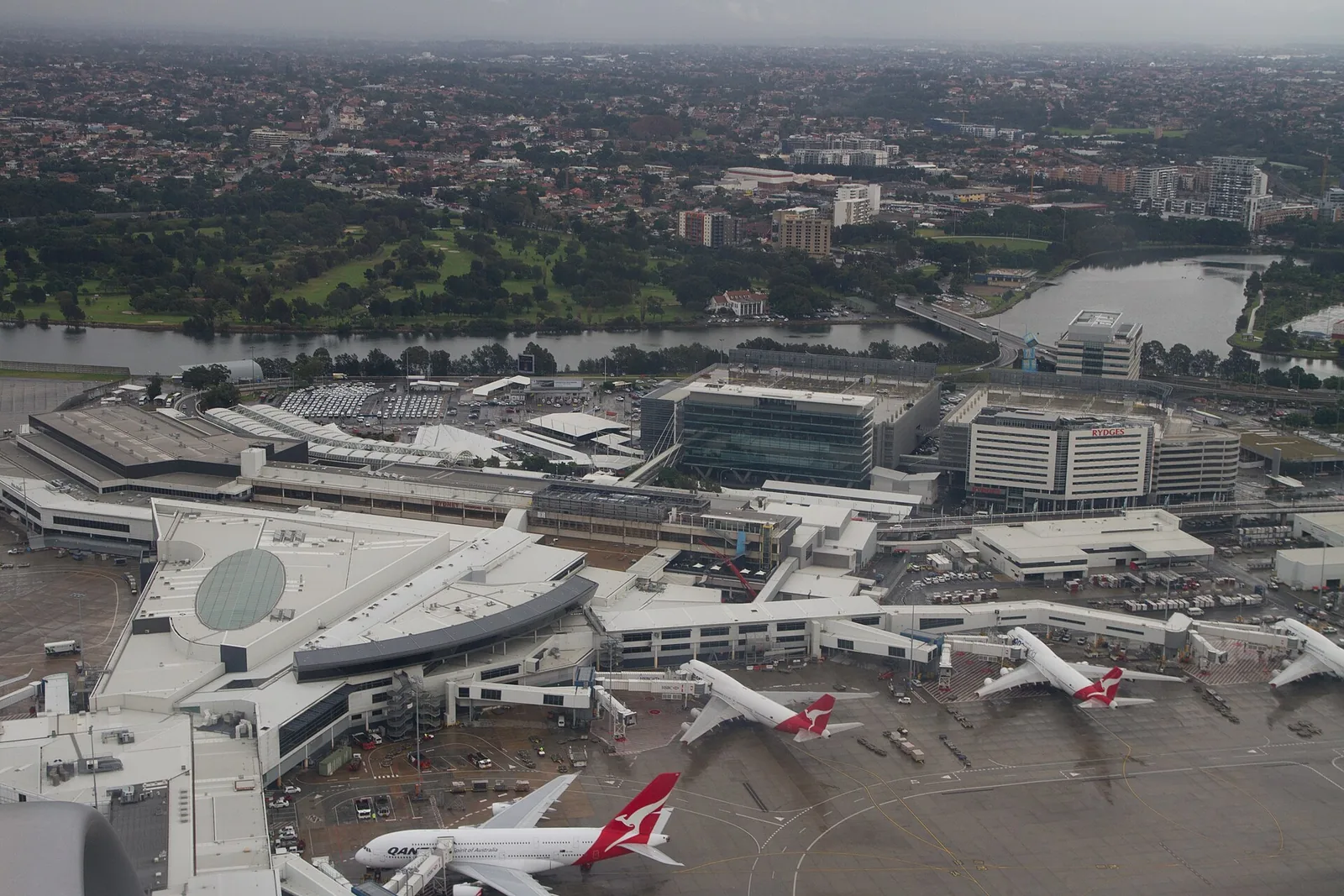
An Australian visitor visa can be valid for years and still allow only three months at a time. That gap between validity and stay is where most misreadings of the subclass 600 start, and it isn't the only one. The visa runs on three separate time limits, each counted a different way, and a trip can sit comfortably inside one while breaching another.
This post takes the three apart and looks at how each one counts. The full rule set, including the five streams, the work and study conditions and onshore applications, is in the Australia Visitor visa subclass 600 guide. What follows is narrower: what each clock measures, what starts it and what, if anything, clears it.
Clock one: the stay period on the grant letter
The first clock is the simplest and the one most people already know about. The Visitor visa (subclass 600) is advertised for visits of 3, 6 or 12 months, but the applicant doesn't pick the number. The Minister sets the stay period at grant, case by case, and it may be shorter than the one requested. For the Tourist stream applied for from outside Australia, Home Affairs generally grants 3 months, and up to 12 months in certain circumstances.
The stay clock runs from each entry. That's why validity and stay are different numbers:
- Validity is the window in which the visa can be used to travel.
- Stay period is how long each visit may last once you're in.
The Frequent Traveller stream shows the gap at its widest: under clause 600.512 it can be valid for up to 10 years with 3 months per entry. A ten-year visa in the passport says nothing about how long any single visit may run.
The controlling date for the current stay is the "must leave" date in VEVO (Visa Entitlement Verification Online), together with the grant letter. Neither is an estimate. Both are records the holder can look up.
Clock two: condition 8558, 12 months in any 18
The second clock ignores entries and exits altogether. Condition 8558, in Schedule 8 to the Migration Regulations 1994, reads: "The holder must not stay in Australia for more than 12 months in any period of 18 months." It can be imposed on Tourist stream grants and is standard on long-validity visas for parents of Australian citizens and permanent residents.
Three features make it behave differently from the stay period:
- Every period onshore counts, however short the trip.
- The window rolls. There is no annual reset. Months stop counting only 18 months after they occurred.
- Exits don't clear it. A departure ends a stay, but the months already spent stay inside the window until they age out.
Here's a worked example on a visa with a 3-month stay period per entry. A visitor arrives in January and stays to the end of March, then is away for April and May. They return for June to August, are away for September and October, come back for November to January, are away for February and March, and return for April to June.
| Visit | Months onshore | Running total |
|---|---|---|
| January to March, year one | 3 | 3 |
| June to August, year one | 3 | 6 |
| November to January | 3 | 9 |
| April to June, year two | 3 | 12 |
Each visit sits inside its own 3-month stay period, so clock one is never breached. But January of year one through June of year two is an 18-month span holding 12 months onshore. Clock two is now full, and further time in Australia depends on the earliest months ageing out of the window.
One caveat about units: condition 8558 is written in months, and the example above counts in whole months. A day-by-day record makes the underlying dates exact. This post doesn't say how a part-month is converted, because the rule text quoted here doesn't say either.
Clock three: clause 600.215, 12 consecutive months
The third clock is a test applied when a visa is granted, not a condition of the visa you already hold. Clause 600.215 of Schedule 2 blocks the grant of a visitor visa that would authorise more than 12 consecutive months in Australia, unless exceptional circumstances exist.
What makes it easy to underestimate is what it adds together. The consecutive period counts time on:
- visitor visas
- Working Holiday visas
- Work and Holiday visas
- bridging visas
A chain of different visa types, each lawful on its own terms, can reach the 12-consecutive-month wall sooner than the holder expects, because the clock runs across the whole chain rather than resetting with each new grant. Parents of Australians are the main group considered for longer validity. For parents wanting more than 12 months at a time, Home Affairs points to the Sponsored Parent (Temporary) visa.
The three clocks side by side
| Stay period | Condition 8558 | Clause 600.215 | |
|---|---|---|---|
| What it measures | Time since this entry | Total time in Australia in any 18 months | Consecutive months onshore |
| Where it lives | Grant letter and VEVO | Schedule 8 condition on the visa | Schedule 2 grant criterion |
| Number | 3, 6 or 12 months, set at grant | 12 in any 18 | More than 12 consecutive blocked |
| Does leaving reset it | A new entry starts a new stay | No, months age out after 18 months | Leaving ends the run; a new grant does not, and visitor, Working Holiday, Work and Holiday and bridging visas count together |
| Override | None, no extensions | None stated | Exceptional circumstances |
On extensions, Home Affairs states that a subclass 600 visa can't be extended. More time means a new visa: either one applied for from inside Australia before the current one expires, or one applied for from outside Australia after you leave. The inside-Australia route is closed if the visa carries condition 8503 (No Further Stay), which Home Affairs waives only in limited circumstances.
Days that count when you think they don't
Most errors against these clocks come from days a traveller doesn't think of as days in Australia.
- Round-trip cruises. Home Affairs treats a cruise that leaves from and returns to an Australian port as time spent in Australia. It doesn't reset the stay period.
- Short trips. A long weekend onshore counts toward the 12 months the same way a long visit does.
- Border runs. Re-entering starts a new stay period, which is clock one. It does nothing to clock two, which counts total months in the rolling window regardless of exits.
The last one catches people who know a rolling-window rule from elsewhere. Schengen's rolling count, covered in the Schengen rule after EES, works on a different number and a different window, but has the same shape: leaving stops the count from growing, it doesn't wind it back. A trip that combines Australia with New Zealand runs separate clocks for each country, and the New Zealand visitor stay limits are counted on their own terms.
When a clock runs out
Overstaying any Australian visa makes the holder an unlawful non-citizen from the moment the stay period ends. The consequences are tied to dates, which is why they belong in a post about counting:
- The 28-day line. Public interest criterion 4014 (Schedule 4, Migration Regulations 1994) doesn't apply where the person left within 28 days after the visa ceased.
- The 3-year exclusion. Past that line, leaving as an unlawful non-citizen blocks the grant of most new visas for 3 years from departure, unless compelling or compassionate circumstances justify an earlier grant.
- Cancellation. A visa cancelled for, say, working in breach of condition 8101 brings a separate 3-year barrier under PIC 4013.
- Detention and removal. Unlawful non-citizens who don't depart voluntarily can be detained and removed, with a debt for removal costs.
There's a smaller fourth clock that's easy to miss: condition 8201 limits study or training to a maximum of 3 months while in Australia.
The count is a record problem, not an arithmetic problem
Australia's border is fully electronic, and every entry and exit is recorded. There are no passport-stamp ambiguities, because movement records and VEVO status are the evidence. That shift away from stamps is covered more broadly in proving where you were.
The government's side of the count is precise, then. The traveller's side is usually memory, a calendar and some booking emails, and memory loses track of a rolling 18-month window faster than anything else. The arithmetic in the table above is trivial. Rebuilding the dates behind it a year later is not.
iReside records which country you were in on each calendar day, from your iPhone's location, in the background. iReside's Australia visitor tracker counts the days of each visit; the 12-in-18 count under condition 8558 is not computed by the app, and the exported record is what supports working it out. The day-by-day record exports as CSV or PDF, with each day labelled by where it came from: GPS, manual entry, or a planned future day. More on how this works across countries is on the visa tracking page.
Where the day count stops
A day record answers how many days, and which ones. Several parts of the subclass 600 aren't day counts at all. Whether a stay period is granted at 3 months or 12, whether exceptional circumstances exist under clause 600.215, whether condition 8503 is waived, and whether compelling or compassionate circumstances shorten a PIC 4014 exclusion are all decided case by case by Home Affairs. A count can sit alongside those decisions. It can't make them.
For permanent residents the clocks are different again. The 730-day re-entry rule is covered in the Australia Resident Return visa guide. For everyone on a subclass 600, the stay period, condition 8558 and clause 600.215 are set out in full in the Australia Visitor 600 guide.