Florida Residency Requirements: Proof Checklist
Quinn Moran · October 6, 2026
Florida has no minimum number of days for residency. For tax purposes you become a Florida resident by making a Florida home your permanent home and proving it: a Florida driver licence within 30 days of establishing residency, vehicles titled and registered within 10 days, voter registration, a Declaration of Domicile, and the homestead exemption if you own (on January 1, applying by March 1). The state you left still counts your days, so the proof only works if your calendar matches it.
On this page
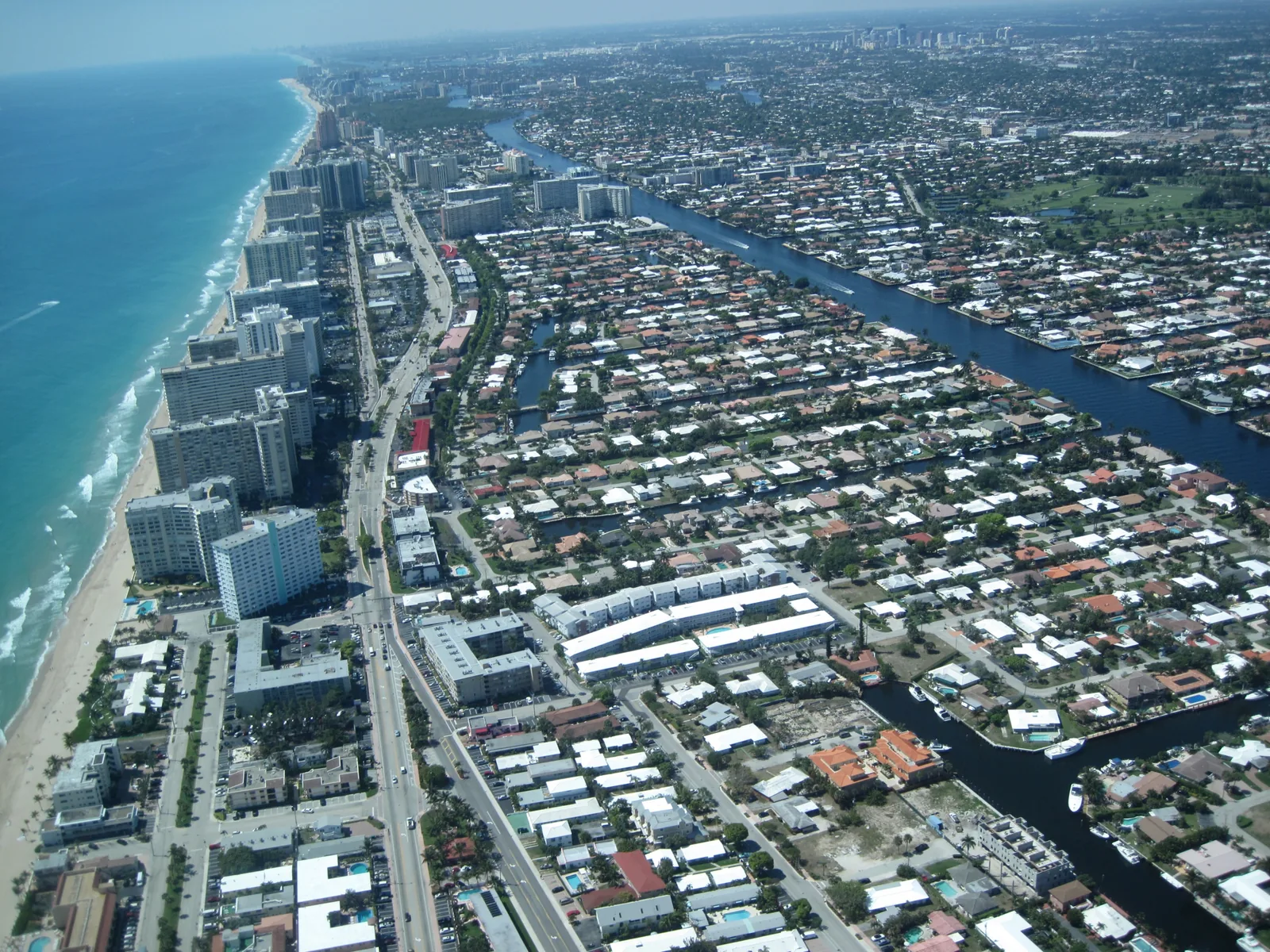
People search "Florida residency requirements" expecting a number of days. There is no number. Florida has no personal income tax, so it never runs a residency test of its own. What it has instead is a set of filings and deadlines that, together, show Florida is your permanent home, and a homestead form that lists, item by item, the proof a county property appraiser looks for.
This is the checklist version. If you want the full move plan, start with how to establish Florida residency for tax purposes; for the rules in one place, see the Florida tax residency guide.
The checklist
| Requirement | Deadline or rule | Source |
|---|---|---|
| A Florida home you live in and intend to keep | Before anything else | Fla. Stat. 222.17 |
| Florida driver licence | Within 30 days of establishing residency | FLHSMV |
| Vehicles titled and registered in Florida (with Florida insurance) | Within 10 days of establishing residency | FLHSMV |
| Register to vote in your Florida county | With the county Supervisor of Elections | County clerk guidance |
| Declaration of Domicile | No deadline; record it with your county | Fla. Stat. 222.17 |
| Homestead exemption (if you own) | Own and live there on January 1; apply by March 1 | Fla. Stat. 196.031, 196.011 |
| Federal tax return from the Florida address | Your next return | Form DR-501 proof list |
| Cut the old state's ties | Part-year or nonresident return, cancel old residency benefits | The state you left |
Each step is quick on its own. The point is that they line up: the same address and the same dates on every document.
What Florida actually asks you to prove
The clearest statement of what counts as proof is Florida's own homestead application, Form DR-501. Its "Proof of Residence" section asks for:
- your previous residency outside Florida and the date it ended;
- your Florida driver licence or ID card number, and its date;
- your Florida vehicle tag number;
- your Florida voter registration number (US citizens), and its date;
- the recorded date of your Declaration of Domicile;
- your current employer;
- the address on your last IRS return;
- where your dependent children go to school;
- whether bank statements and your checking account go to the homestead address;
- proof of payment of utilities at the homestead address.
The form says to give as much as you can and that the property appraiser makes the final decision. It also asks whether you claim residency or homestead in another county or state. A yes there, without an end date, is a problem on both sides of the move.
Can you use tax returns as proof of Florida residency?
Partly. There is no Florida income tax return, so you cannot show one. Your federal Form 1040 is the return that counts, and DR-501 asks for the address on it. A 1040 filed from your Florida address is one consistent data point.
The return that matters more is the one you file with the state you left. A part-year resident return that names your move date, followed by nonresident returns (or none, if you have no income sourced there), tells that state the same story your Florida filings tell. A resident return filed there "just to be safe" says the opposite.
The 183-day myth
The most repeated Florida rule, "spend 183 days in Florida and you're a resident", is not a Florida rule at all.
The 183-day line belongs to the state you left. New York and Massachusetts, for example, treat you as a resident for the whole year if you keep a home there and spend more than 183 days there, whatever your Florida paperwork says. Part-days usually count as full days. So the target is not "183 days in Florida". It is "comfortably under the old state's line, with more of the year in Florida than anywhere else". How those two tallies work is explained in Florida has no day count: the two tallies your old state runs.
Common gaps auditors find
- A Florida licence, but the car still registered and insured up north.
- A homestead exemption in Florida while the old house keeps a residency-based tax break.
- A Declaration of Domicile dated in January, then most of the year spent in the old state.
- Doctors, the safe deposit box and the club membership never moved.
Each of these is a document the old state can obtain. The Florida side is filed once; the day record builds up every day after it.
Where iReside fits
The filings above are done once. The days are what an auditor rebuilds, often years later, from phone, card and toll records. iReside keeps that record as you go: it runs in the background on your iPhone and records which state you were in each day by GPS, with nothing to log by hand. You can track your old state's 183-day line, see Planned vs Actual days for the rest of the year, get an alert before you get close, and export an audit-ready PDF report. Start with the free residency checklist, and if you have not filed yet, read how to file a Florida Declaration of Domicile.
Download free on the App Store
Sources
- Florida Department of Highway Safety and Motor Vehicles, New Florida residents
- Florida Department of Revenue, Form DR-501 (R. 01/26)
- Florida Statutes section 196.011, Annual application required for exemption
- Florida Statutes section 196.031, Exemption of homesteads
- Florida Statutes section 222.17, Manifesting and evidencing domicile in Florida
- Florida Department of Revenue, Property tax exemptions